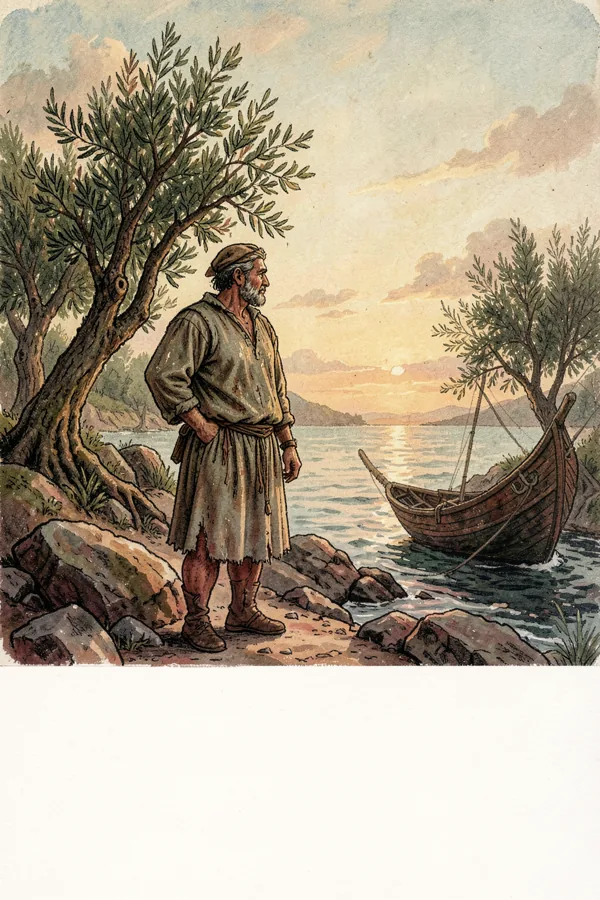
Opening of the book
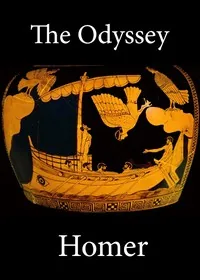
The Odyssey
by Homer
rendered into English prose for the use of those who cannot
read the original
Contents
PREFACE TO FIRST EDITION
PREFACE TO SECOND EDITION
THE ODYSSEY
BOOK I.
BOOK II.
BOOK III.
BOOK IV.
BOOK V.
BOOK VI.
BOOK VII.
BOOK VIII.
BOOK IX.
BOOK X.
BOOK XI.
BOOK XII.
BOOK XIII.
BOOK XIV.
BOOK XV.
BOOK XVI.
BOOK XVII.
BOOK XVIII.
BOOK XIX.
BOOK XX.
BOOK XXI.
BOOK XXII.
BOOK XXIII.
BOOK XXIV.
FOOTNOTES:
AL PROFESSORE
CAV. BIAGIO INGROIA,
PREZIOSO ALLEATO
L’AUTORE RICONOSCENTE.
PREFACE TO FIRST EDITION
This translation is intended to supplement a work entitled “The
Authoress of the Odyssey”, which I published in 1897. I could not give the whole “Odyssey” in that book without making it unwieldy, I therefore epitomised my translation, which was already completed and which I now publish in full.
I shall not here argue the two main points dealt with in the work just mentioned; I have nothing either to add to, or to withdraw from, what I have there written. The points in question are:
(1) that the “Odyssey” was written entirely at, and drawn entirely from, the place now called Trapani on the West Coast of Sicily, alike as regards the Phaeacian and the Ithaca scenes; while the voyages of
Ulysses, when once he is within easy reach of Sicily, solve themselves into a periplus of the island, practically from Trapani back to Trapani, via the Lipari islands, the Straits of Messina, and the island of
Pantellaria.
(2) That the poem was entirely written by a very young woman, who lived at the place now called Trapani, and introduced herself into her work under the name of Nausicaa.
The main arguments on which I base the first of these somewhat startling contentions, have been prominently and repeatedly before the English and Italian public ever since they appeared (without rejoinder) in the “Athenaeum” for January 30 and February 20, 1892.
Keep listening free
 Readnara