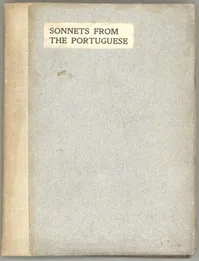
Opening of the book
To
H.I.M.
DLjƽ PŧŠǡLj Šŧ AƯŕĹƿǵĵǡĵ,
(D. Pedro II)
Constitutional Emperor, and Perpetual Defender
of
Tƒŧ BǡĵΖƗƯ;
to
the Man rather than the Monarch
this Version of a Poem,
so dear to the heart of every Brazilian,
is offered
by
His Emperial Majesty’s
most obedient
humble Servant,
Tƒŧ TǡĵƿǪƯĵǵLjǡ
Il far un libro è meno che niente,
Se il libro fatto non rifà la gente.
GƗǼǪǵƗ
Place, riches, favour,
Prizes of accident as oft as merit.
SƒĵƫŧǪǙŧĵǡŧ
Ora toma a espada, agora a penna
(Now with the sword-hilt, then with pen in hand).
CĵƽǘŧǪ, “SLjƿƿŧǵ 192”
Bramo assai —poco spero —nulla chiedo.
TĵǪǪLj
Tout cela prouve enfin que l’ouvrage est plein de grandes beautés, puisque depuis deux cents ans il fait les délices d’une nation spirituelle qui doit en connôitre les fautes.
VLjƯǵĵƗǡŧ, Essai, ŧǵŕ.
To My Master Camões
(Tu se’ lo mio maestro, e ’l mio autore).
Great Pilgrim-poet of the Sea and Land;
Thou life-long sport of Fortune’s ficklest will;
Doomed to all human and inhuman ill,
Despite thy lover-heart, thy hero-hand:
Enrollèd by thy pen what marv’ellous band
Of god-like Forms thy golden pages fill;
Love, Honour, Justice, Valour, Glory thrill
The Soul, obedient to thy strong command:
Amid the Prophets highest sits the Bard,
At once Revealer of the Heav’en and Earth,
To Heav’en the guide, of Earth the noblest guard;
And, ’mid the Poets thine the peerless worth,
Whose glorious song, thy Genius’ sole reward,
Bids all the Ages, Camões! bless thy birth.
R. F. B.
Keep listening free
 Readnara