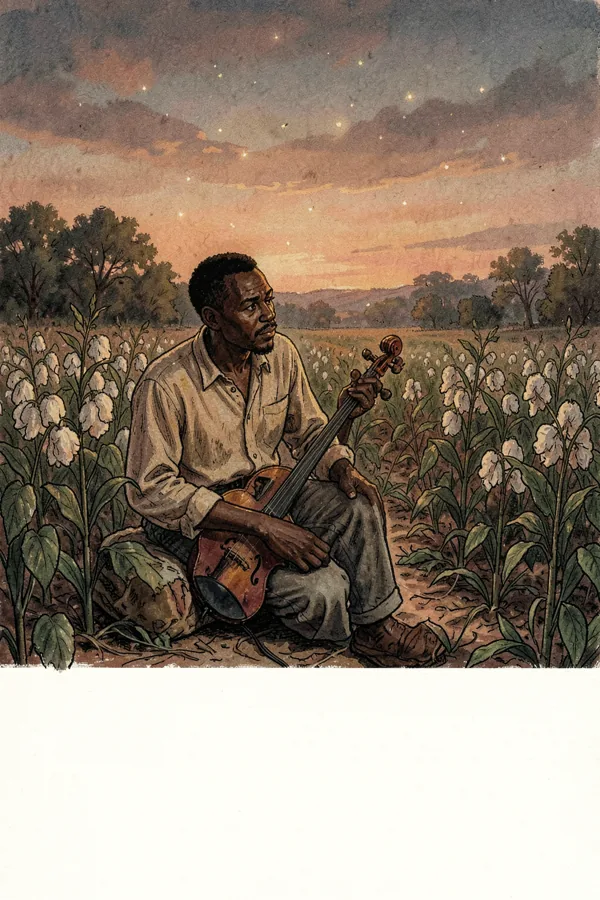
Twelve Years a Slave is a memoir by Solomon Northup, a free Black man from New York who was kidnapped in 1841 and sold into slavery in the American South. Published in 1853, it offers a detailed first-hand testimony of his years of forced labour on Louisiana plantations and of daily life in bondage.
“It is a singular coincidence, that Solomon Northup was carried to a plantation in the Red River country —that same region where the scene of Uncle Tom’s captivity was laid —and his account of this plantation, and the mode of life there, and some incidents which he describes, form a striking parallel to that history.”
KŧΏ ǵLj UƿŕƯŧ TLjƽ’Ǫ CĵœƗƿ, p. 174
To
HĵǡǡƗŧǵ Bŧŧŕƒŧǡ SǵLj΅ŧ:
throughout the world, is identified with the
great reform:
this narrative, affording another
key to Uncle Tom’s Cabin
is respectfully dedicated.
“Such dupes are men to custom, and so prone To reverence what is ancient, and can plead A course of long observance for its use, That even servitude, the worst of ills, Because delivered down from sire to son, Is kept and guarded as a sacred thing. But is it fit, or can it bear the shock Of rational discussion, that a man Compounded and made up, like other men, Of elements tumultuous, in whom lust And folly in as ample measure meet, As in the bosom of the slave he rules, Should be a despot absolute, and boast Himself the only freeman of his land?” CLj΅Ǚŧǡ
 Readnara