Readnara
The nightless city; or, The "history of the Yoshiwara Yūkwaku" — J. E. De Becker

The nightless city; or, The "history of the Yoshiwara Yūkwaku"

J. E. De Becker

  • History
  • Book language: English
  • 323 pages

The Nightless City; or, The History of the Yoshiwara Yūkwaku by J. E. De Becker is a historical account of the licensed pleasure district of Yoshiwara in Japan. It describes its customs, regulations, and social role, drawing on the author's long residence in the country. It offers a detailed window into urban life and a controversial institution.

Listen to the opening

Listen to the first 5 pages without signing up Listen to the whole book free

Already have an account? Sign in and listen

Free with a free account. The book is read by an AI-generated voice; the text follows along.

Embed on your site

For teachers and schools: paste the code into your site or blog.

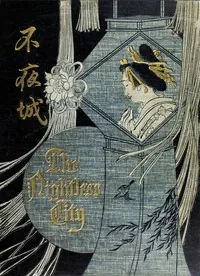
Cover of the original edition (Project Gutenberg, public domain).

Text source: gutenberg.org · The work is in the public domain.

Opening of the book

THE

NIGHTLESS CITY

不夜城

OR THE “HISTORY OF

THE YOSHIWARA YŪKWAKU”

By J. E. DE BECKER

Twenty Years a Resident of Japan

“Virtuous men have said, both in poetry

and classic works, that houses of debauch,

for women of pleasure and for streetwalkers, are the worm-eaten spots of cities and towns. But these are necessary evils, and if they be forcibly abolished, men of unrighteous principles will become like ravelled thread.”

73rd section of the “Legacy of Ieyasu,” (the

first Tokugawa Shōgun.)

With Numerous Illustrations

Third Edition Revised

red leaf

logo

Yokohama

Shanghai Bremen

MAX NÖSSLER & Co.
London
PROBSTHAIN & Co.
14 Bury Street, W.C.

Copyright,
BY THE AUTHOR.
All rights reserved.
PRINTED BY
THE BOX OF CURIOS PRINTING AND PUBLISHING CO.,
YOKOHAMA. JAPAN.

Contents

PAGE.

History of the Yoshiwara Yūkwaku

1

Nihon-dzutsumi (The Dyke of Japan)

15

Mi-kaeri Yanagi (Gazing back Willow-tree)

16

Yoshiwara Jinja (Yoshiwara Shrine)

17

The “Aisome-zakura” (Cherry-tree of First Meeting)

18

The “Koma-tsunagi-matsu” (Colt tethering Pine-tree)

18

The “Ryo-jin no Ido” (Traveller’s Well)

18

Government Edict-board and Regulations at the Ōmon (Great Gate)

18

The Present Ōmon

19

Of the Reasons why going to the Yoshiwara was called “Chō ye Yuku”

21

Classes of Brothels

21

Hikite-jaya (“Introducing Tea-houses”)

28

The Jū-hachi-ken-jaya (Eighteen Tea-houses)

41

The “Amigasa-jaya” (Braided Hat Tea-houses)

42

The “Kujaku Nagaya”

42

The “Kembansho”

43

Classes of Prostitutes

44

“Kamuro” (Young Female Pages)

52

Shinzō

55

Yarite (Female Managers)

59

The “Kutsuwa”

62

The “Wakaimono” (Male Servants)

63

Hōkan and Geisha

67

The Europeanization of the Yoshiwara and the Introduction of Loochooan

Courtesans

84

Zegen (Procurers)

85

The Dress of Courtesans

94

Coiffures of the Yūjo

99

Rooms of the Yūjo

104

Tsumi-yagu_no_koto

108

Sōbana (“All round tips”)

112

Shokwai (First Meeting) and Mi-tate (Selection of Women)

112

I-tsuzuke no koto

118

O cha wo hiku to iū koto

118

Keep listening free

Contents

  1. THE NIGHTLESS CITY
  2. Contents
  3. List of Illustrations.
  4. PREFACE TO THE FIRST EDITION.
  5. PREFACE TO THE THIRD EDITION.
  6. History of the Yoshiwara Yūkwaku
  7. Nihon-dsutsumi. (The Dyke of Japan.)
  8. Mi-kaeri Yanagi. (Gazing back Willow-tree.)
  9. Yoshiwara Jinja. (Yoshiwara Shrine.)
  10. The “Aisome-zakura.” (Cherry-tree of first meeting.) AND The “Koma-tsunagi-matsu.” (Colt teathering pine-tree.)
  11. The “Ryo-jin no Ido.” (Traveller’s Well.)
  12. Government Edict-board and Regulations at the Ōmon.
  13. The Present Ōmon.
  14. Of the Reason Why Going to the Yoshiwara was Called “Chō ye yuku.”
  15. Classes of Brothels.
  16. Hikite-jaya.
  17. The Jū-hachi-ken-jaya. (Eighteen Tea-houses.)
  18. The “Amigasa-jaya.” (Braided hat tea-houses.)
  19. The “Kujaku Nagaya.”
  20. The “Kembansho.” (Office which manages the affairs of geisha and other professionals.)
  21. Classes of Prostitutes.
  22. Kamuro. (Young Female Pages.)
  23. Shinzō.
  24. Yarite. (Female Managers.)
  25. The “Kutsuwa.”
  26. Wakaimono. (Male Servants.)
  27. Hōkan and Geisha.
  28. The Europeanization of the Yoshiwara and the Introduction of Loochooan Courtesans.
  29. Zegen. (Procurers.)
  30. The Dress of Courtesans.

and 62 more chapters

You may also like