The Beth Book / Being a Study of the Life of Elizabeth Caldwell Maclure, a Woman of GeniusSarah Grand
The Beth Book / Being a Study of the Life of Elizabeth Caldwell Maclure, a Woman of Genius
Sarah Grand
Novel
Book language: English
652 pages
Sarah Grand's 1897 New Woman novel The Beth Book is a study of Elizabeth Caldwell Maclure, a woman of genius. It follows Beth's development from girlhood onward as she seeks intellectual and artistic fulfilment against the restrictive expectations placed on Victorian women. It is worth listening to as a rich, semi-autobiographical portrait of female ambition and inner life.
For teachers and schools: paste the code into your site or blog.
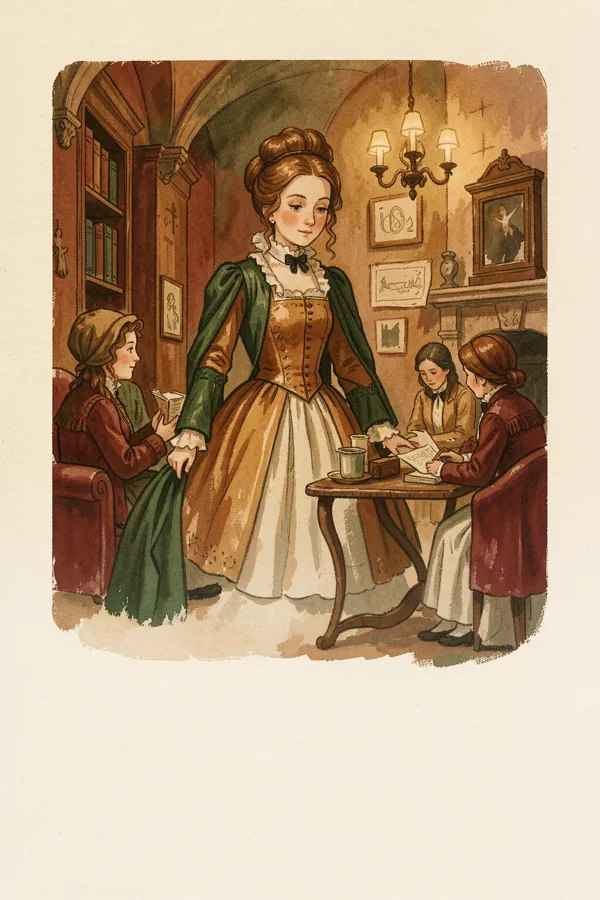
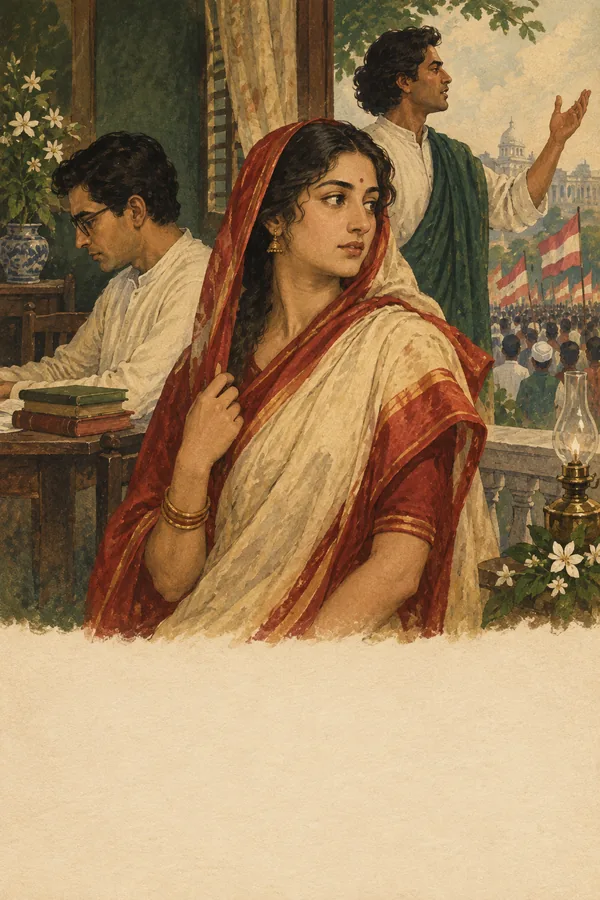
Cover illustration generated by AI.
Text source: gutenberg.org · The work is in the public domain.
Opening of the book
The Beth Book Being a Study of the Life of Elizabeth Caldwell Maclure A Woman of Genius BY Sarah Grand IAGO. Come, hold your peace. EMILIA. 'Twill out, 'twill out:—I hold my peace, Sir? no; I'll be in speaking, liberal as the air:
Let heaven, and men, and
devils, let them all
All, all, cry shame against me,
yet I'll speak.
SHAKESPEARE
Publisher Lion Logo
New York:
D. Appleton, 1897.
"I cannot gather the sunbeams out of the east, or I would make them tell you what I have seen; but read this and interpret this, and let us remember together. I cannot gather the gloom out of the night sky, or I would make that tell you what I have seen; but read this and interpret this, and let us feel together. And if you have not that within you which I can summon to my aid, if you have not the sun in your spirit and the passion in your heart which my words may awaken, though they be indistinct and swift, leave me, for I will give you no patient mockery, no labouring insults of that glorious Nature whose I am and whom
I serve."— RǼǪƫƗƿ.
"The men who come on the stage at one period are all found to be related to one another. Certain ideas are in the air. We are all impressionable, for we are made of them; all impressionable, but some more than others, and these first express them. This explains the curious temporaneousness of inventions and
 Readnara