Opening of the book
Introduction
Hungarians regard Az Érdély arány kora as, on the whole, the best of
Jókai’s great historical romances, and, to judge from the numerous existing versions of it, foreigners are of the same opinion as Hungarians. Few of Jókai’s other tales have been translated so often, and the book is as great a favourite in Poland as it is in Germany. And certainly it fully deserves its great reputation, for it displays to the best advantage the author’s three characteristic qualities —his powers of description, especially of nature, his dramatic intensity, and his peculiar humour.
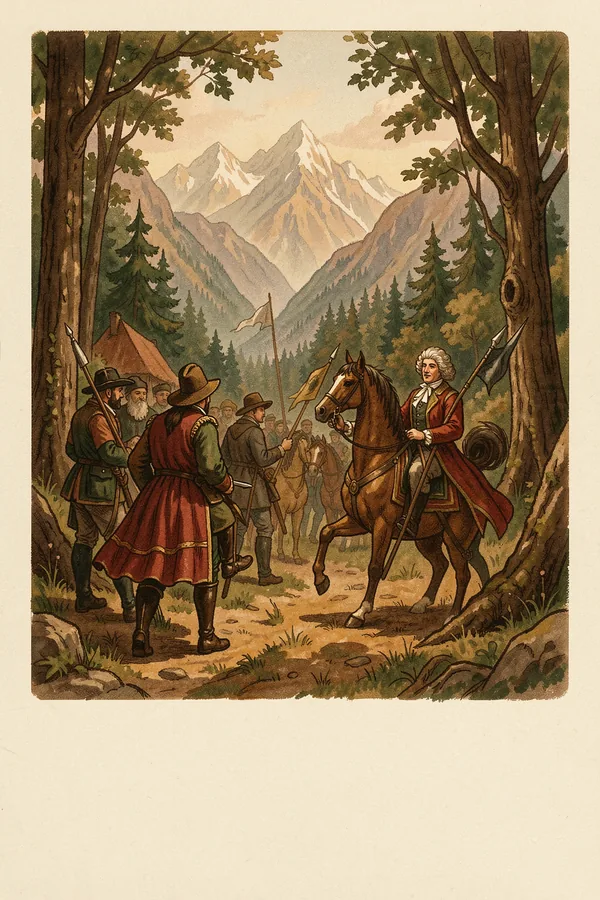
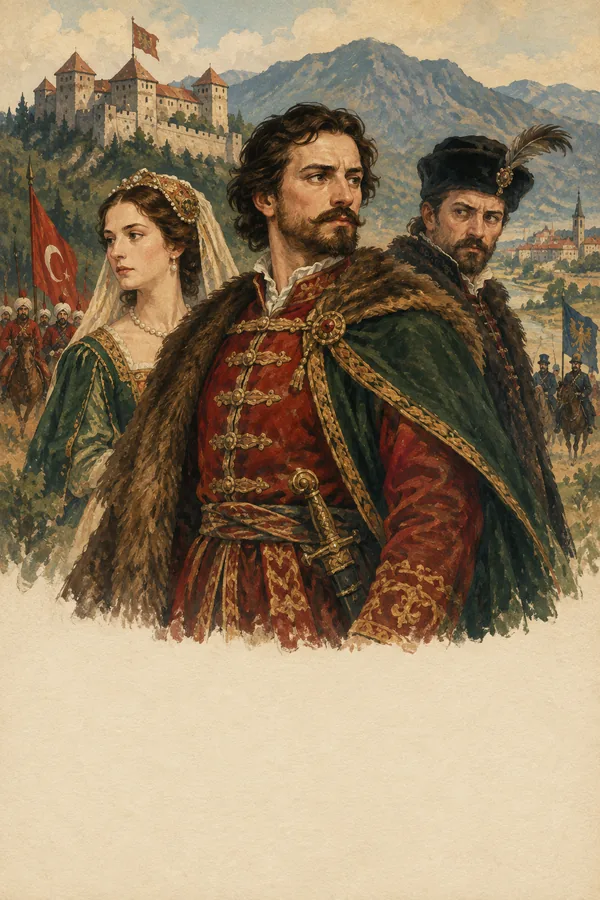
The scene of the story is laid among the virgin forests and inaccessible mountains of seventeenth-century Transylvania, where a proud and valiant feudal nobility still maintained a precarious independence long after the parent state of Hungary had become a Turkish province. We are transported into a semi-heroic, semi-barbarous borderland between the Past and the Present, where Medievalism has found a last retreat, and the civilizations of the East and West contend or coalesce. Bizarre, gorgeous, and picturesque forms flit before us —rude feudal magnates and refined Machiavellian intriguers; superb Turkish pashas and ferocious Moorish bandits; noble, highminded ladies and tigrish odalisques; saturnine Hungarian heydukes, superstitious Wallachian peasants, savage Szeklers, and scarcely human Tartars. The plot too is in keeping with the vivid colouring and magnificent scenery of the story. The whole history of Transylvania, indeed, reads like a chapter from the Arabian
Nights, but there are no more dramatic episodes in that history than those on which this novel is based —the sudden elevation of a country squire (Michael Apafi) to the throne of Transylvania against his will by order of the Padishah, and the dark conspiracy whereby
Denis Banfi, the last of the great Transylvanian magnates, was so foully done to death.
In none of Jókai’s other novels, moreover, is the individuality of
Keep listening free
 Readnara