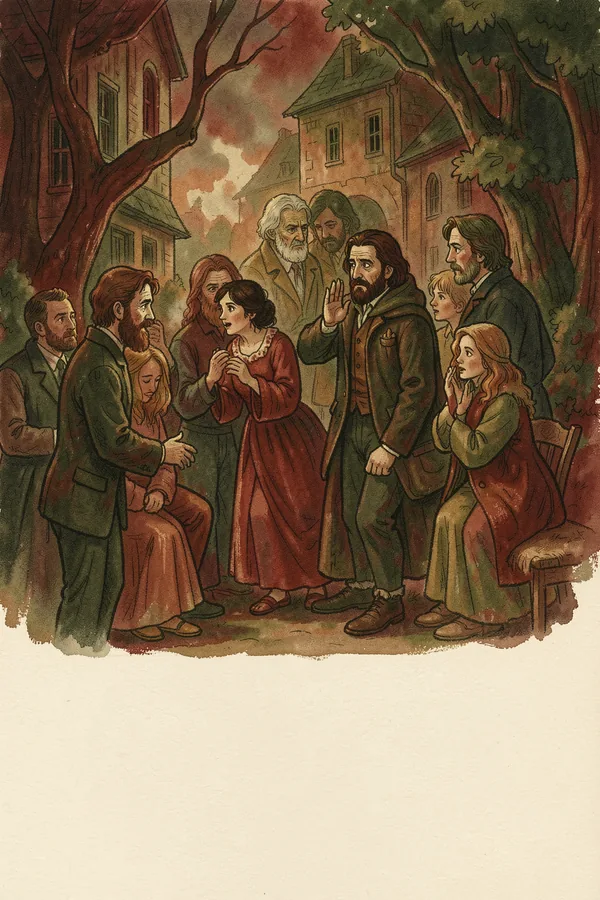
Dracula is a Gothic horror novel told through letters, diaries and journal entries. It follows a young English solicitor who travels to a castle in Transylvania, and the small circle of friends who later confront the vampire Count Dracula. Its shifting narrators and mounting dread make it engaging to hear read aloud.
For teachers and schools: paste the code into your site or blog.
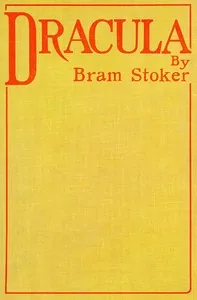
Cover of the original edition (Project Gutenberg, public domain).
Text source: gutenberg.org · The work is in the public domain.
Opening of the book
D R A C U L A by Bram Stoker colophon NEW YORK GROSSET & DUNLAP Publishers Copyright, 1897, in the United States of America, according to Act of Congress, by Bram Stoker [All rights reserved.] PRINTED IN THE UNITED STATES AT THE COUNTRY LIFE PRESS, GARDEN CITY, N.Y.
TO MY DEAR FRIEND HOMMY-BEG Contents CHAPTER I. Jonathan Harker’s Journal CHAPTER II. Jonathan Harker’s Journal CHAPTER III. Jonathan Harker’s Journal CHAPTER IV. Jonathan Harker’s Journal CHAPTER V. Letters—Lucy and Mina CHAPTER VI. Mina Murray’s Journal CHAPTER VII. Cutting from “The Dailygraph,” 8 August CHAPTER VIII. Mina Murray’s Journal CHAPTER IX. Mina Murray’s Journal CHAPTER X. Mina Murray’s Journal CHAPTER XI. Lucy Westenra’s Diary CHAPTER XII. Dr. Seward’s Diary CHAPTER XIII. Dr. Seward’s Diary CHAPTER XIV. Mina Harker’s Journal CHAPTER XV. Dr. Seward’s Diary CHAPTER XVI. Dr. Seward’s Diary CHAPTER XVII. Dr. Seward’s Diary CHAPTER XVIII. Dr. Seward’s Diary
CHAPTER XIX. Jonathan Harker’s Journal CHAPTER XX. Jonathan Harker’s Journal CHAPTER XXI. Dr. Seward’s Diary CHAPTER XXII. Jonathan Harker’s Journal CHAPTER XXIII. Dr. Seward’s Diary CHAPTER XXIV. Dr. Seward’s Phonograph Diary, spoken by Van Helsing CHAPTER XXV. Dr. Seward’s Diary CHAPTER XXVI. Dr. Seward’s Diary CHAPTER XXVII. Mina Harker’s Journal
How these papers have been placed in sequence will be made manifest in the reading of them. All needless matters have been eliminated, so that a history almost at variance with the possibilities of later-day belief may stand forth as simple fact. There is throughout no statement of past things wherein memory may err, for all the records chosen are exactly contemporary, given from the standpoints and within the range of knowledge of those who made them.
 Readnara