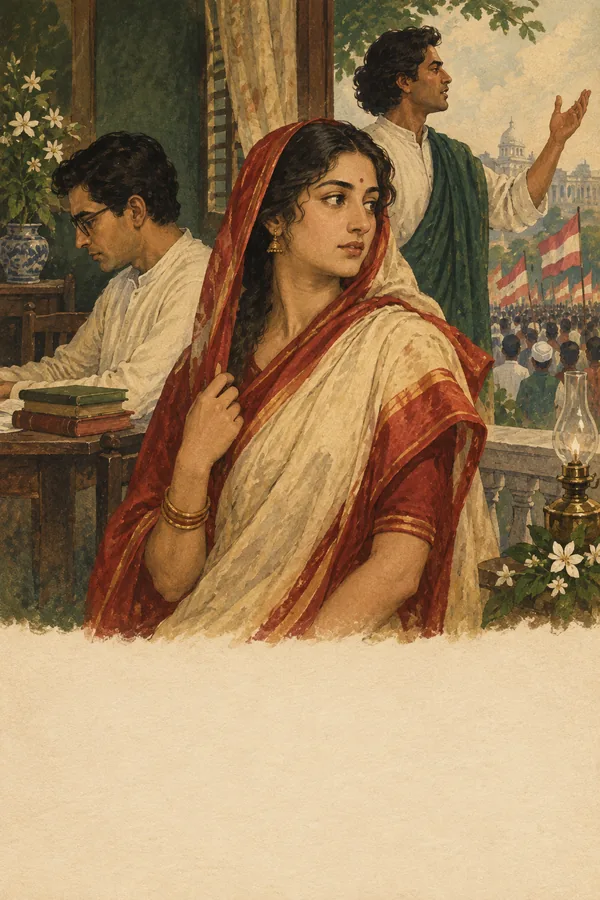
Opening of the book
Preface
The following History is given in a series of letters, written principally in a double yet separate correspondence;
Between two young ladies of virtue and honor, bearing an inviolable friendship for each other, and writing not merely for amusement, but upon the most interesting subjects; in which every private family, more or less, may find itself concerned; and,
Between two gentlemen of free lives; one of them glorying in his talents for stratagem and invention, and communicating to the other, in confidence, all the secret purposes of an intriguing head and resolute heart.
But here it will be proper to observe, for the sake of such as may apprehend hurt to the morals of youth, from the more freely-written letters, that the gentlemen, though professed libertines as to the female sex, and making it one of their wicked maxims, to keep no faith with any of the individuals of it, who are thrown into their power, are not, however, either infidels or scoffers; nor yet such as think themselves freed from the observance of those other moral duties which bind man to man.
On the contrary, it will be found, in the progress of the work, that they very often make such reflections upon each other, and each upon himself and his own actions, as reasonable beings must make, who disbelieve not a future state of rewards and punishments, and who one day propose to reform —one of them actually reforming, and by that means giving an opportunity to censure the freedoms which fall from the gayer pen and lighter heart of the other.
And yet that other, although in unbosoming himself to a select friend, he discovers wickedness enough to entitle him to general detestation, preserves a decency, as well in his images as in his language, which is not always to be found in the works of some of the most celebrated modern writers, whose subjects and characters have less warranted the liberties they have taken.
Keep listening free
 Readnara